
Prêt-à-Porter

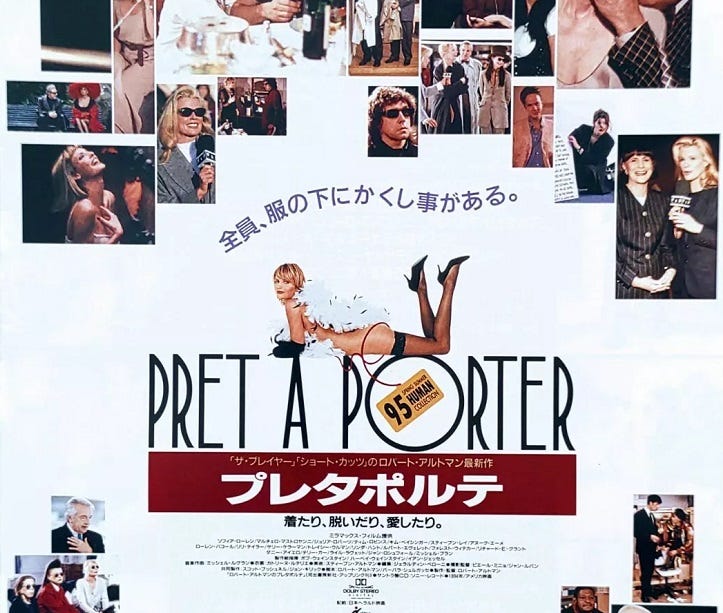
This means ready to wear. Like Pulp Fiction, Prêt-à-Porter was released by Miramax in 1994. Pulp Fiction was actually a sleeper hit. A film directed by Quentin Tarantino wasn’t supposed to get more attention than a film directed by Robert Altman. A film about criminals wasn’t supposed to get more attention than a film about fashion. John Travolta and Bruce Willis were the biggest stars in Quentin’s film but their careers were on the wane before it was released. By comparison, Prêt-à-Porter features Julia Roberts and Tim Robbins. Casting-wise, it was David versus Goliath. Pulp Fiction had Uma Thurman while Prêt-à-Porter had Kim Basinger. Pulp Fiction had Samuel L. Jackson while Prêt-à-Porter had Forest Whitaker. Prêt-à-Porter had veteran stars in the form of Sophia Loren and Lauren Bacall whereas the veterans in Pulp Fiction were Harvey Keitel and Christopher Walken. When it came to casting comedians, Pulp Fiction had Tracey Ullman while Prêt-à-Porter had Kathy Griffin. When it came to cameos, Pulp Fiction had Steve Buscemi while Prêt-à-Porter had Cher. Even when it came to casting British actors, Pulp Fiction had Tim Roth while Prêt-à-Porter had the more famous and sophisticated Richard E. Grant. Elsewhere, Danny Aiello and Linda Hunt had a higher profile than Frank Whaley and Maria de Medeiros.
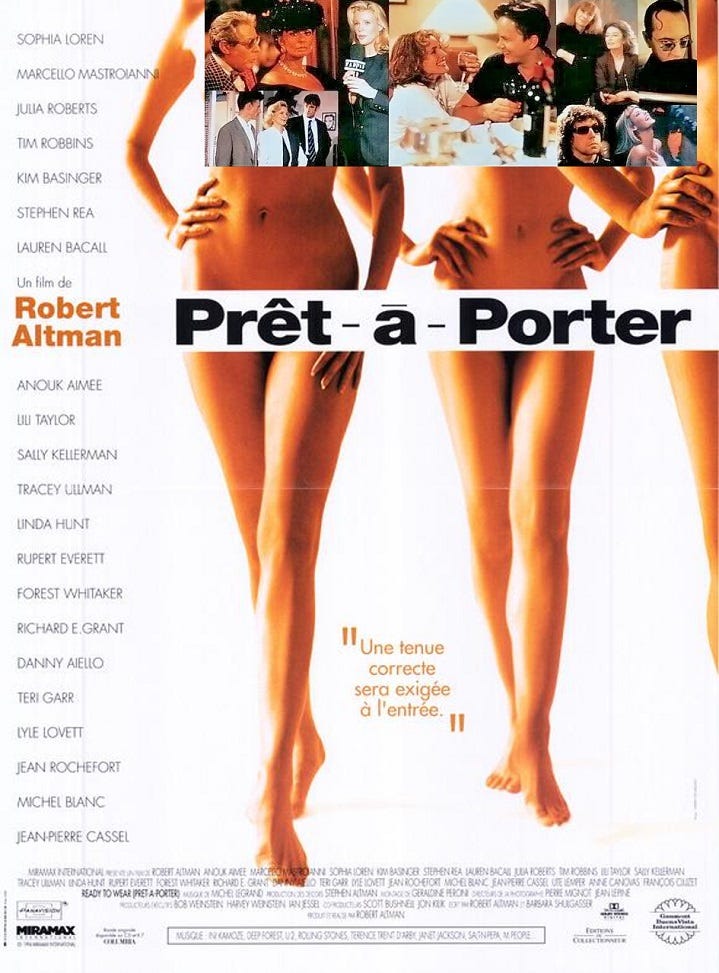
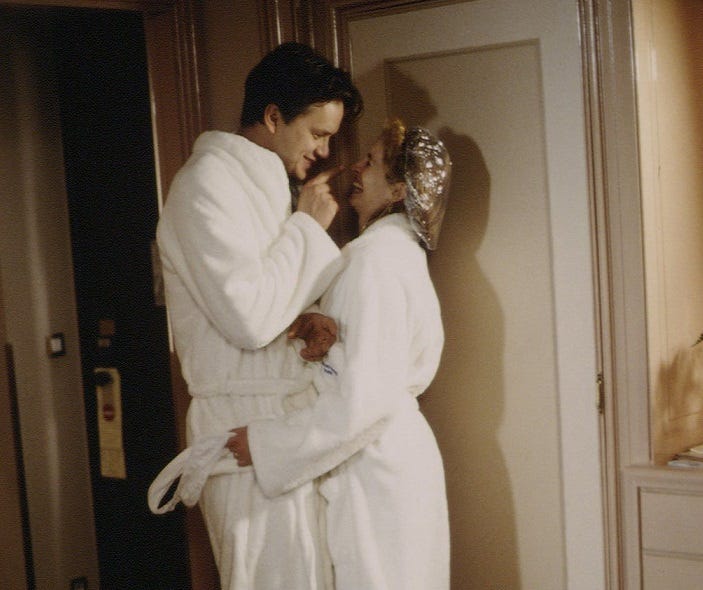
Pulp Fiction had Eric Stoltz while Prêt-à-Porter had Lyle Lovett - a Grammy winner who was married to Julia Roberts. In fact, Julia’s presence in the film seemed like an afterthought. The plot with her and Tim Robbins is disjointed from the rest of the film unlike the way that the different lives in Pulp Fiction intersect. You would think with Lyle Lovett that there could have been a literally passing cameo like Jason Statham coming across Tom Cruise in Collateral (2004), especially since Lyle had already been in a Robert Altman film about lives intersecting - Short Cuts (1993). This other Altman film is adjacent to Quentin Tarantino’s Pulp Fiction in that Matthew Modine is one of Eric Stoltz’s best friends while Jennifer Jason Leigh used to be Eric’s girlfriend, and was almost cast in the Tarantino-penned True Romance. Back to Julia Roberts and Tim Robbins in Prêt-à-Porter, it’s especially bizarre how their characters are dissociated from everything else since Tim was to Robert Altman what Leonardo DiCaprio became to Martin Scorsese after starring in Altman’s The Player (1992) and Short Cuts (1993). The Roberts and Robbins plot may not have been added after shooting ended like a Godfrey Ho ninja movie, but they must have been at least a shoehorned addition in the pre-production stage.
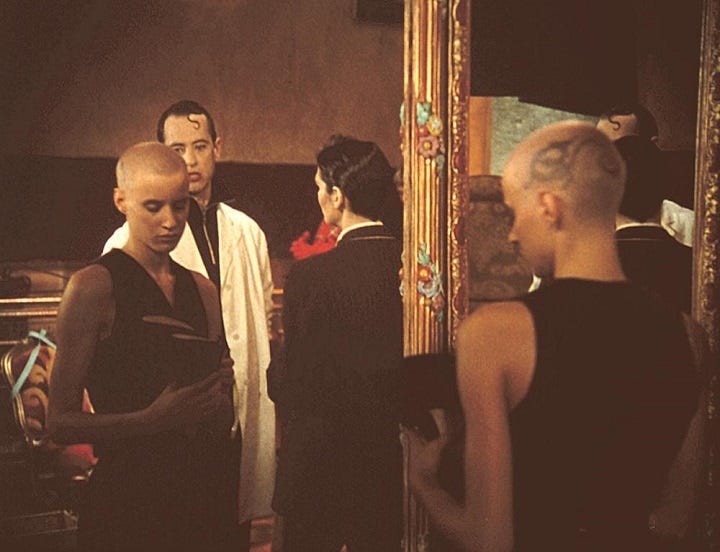
The Parisian magic of the film loses it sheen when it becomes apparent that Tim and Julia didn’t even shoot their scenes in Paris. Although Pulp Fiction has a vintage score, it’s a cooler film than Prêt-à-Porter. The latter is dated. Richard E. Grant’s character is more vaudeville than his performance in Hudson Hawk (1990). People in the film industry like to complain that the Motion Picture Association of America is harsher towards sex than violence, and a case could be made about Prêt-à-Porter being a more problematic film than Pulp Fiction. The most shocking thing in the latter, sexually, is seeing a male criminal being raped for comic value. Prêt-à-Porter, on the other hand, shows Julia technically being a date rape victim at the hands of Tim but it’s played as a rom-com. Elsewhere, the film has outlandish gay caricatures including a scene depicting a restaurant full of transvestites. Even before revenge nudity became a thing, it’s unnerving to watch Stephen Rea photographing Sally Kellerman and Tracy Ullman in the nude without their consent. Quentin Tarantino loves naked women as much as anybody else but he restricted his male gaze to their feet.
Ironically, Pulp Fiction conveys a better sense of romance than Prêt-à-Porter. As for the real romance between Julia Roberts and Lyle Lovett, their marriage ended in 1995. Back to the censorship board, the MPAA threatened to revoke the R rating if the advertising for Prêt-à-Porter continued to display a semi-nude Helena Christensen. Miramax were forced to comply. Although Pulp Fiction had intertwining events that were presented in a non-linear format, the story is easy to follow. Prêt-à-Porter is a mess that makes Movie 43 seem perfectly understandable and watchable. Prêt-à-Porter wants to be a satire but the attempt at doing a satire with real people unaware of your intentions would be later realized to better effect by Sacha Baron Cohen. Rob Reiner did the mockumentary thing better with This is Spinal Tap ten years earlier. Robert Altman’s The Player was a better satire than Prêt-à-Porter but he was satirizing a world that he knew best - Hollywood.
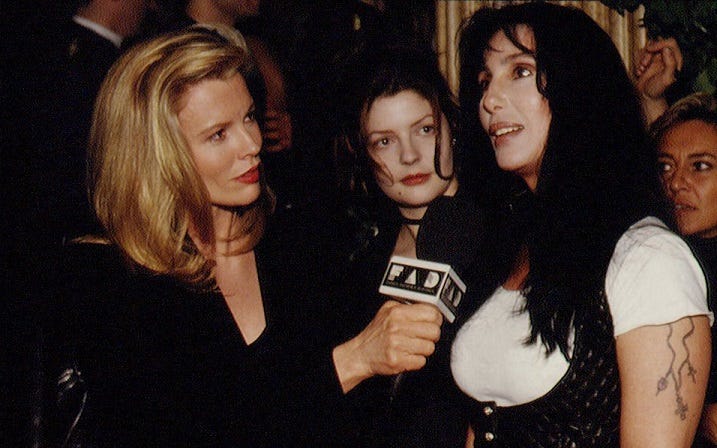
Prêt-à-Porter failed at the box office for another reason - you can’t underestimate the commercial appeal of catering to the black demographic. Most of them couldn’t afford to go on holiday like their white counterparts, so cinema and TV is a big drawer for them. In Prêt-à-Porter, the one black actor plays it gay in a camp way. Rush Hour was Jackie Chan’s first proper big hit in the U.S. in that it grossed over a hundred million dollars because African-Americans really responded to Chris Tucker. Pulp Fiction had more black guys in it, and the overall environment of the story was more relatable. As I mentioned earlier, Sophia Loren is in Prêt-à-Porter. A couple of months before he was busted in October 2017, Harvey Weinstein had mentioned her in an article about Lina Wertmuller for the Deadline site where he wrote: “I first got to know Sophia Loren when I worked on Prêt-à-Porter, Robert Altman’s outrageous spoof on the fashion industry. Of course, Marcello Mastroianni was there, too, and they spoofed their brilliant Italian comedy, Yesterday, Today and Tomorrow with a famous Sophia striptease. I did fall in love on the set of that movie, but it was with Marcello.”
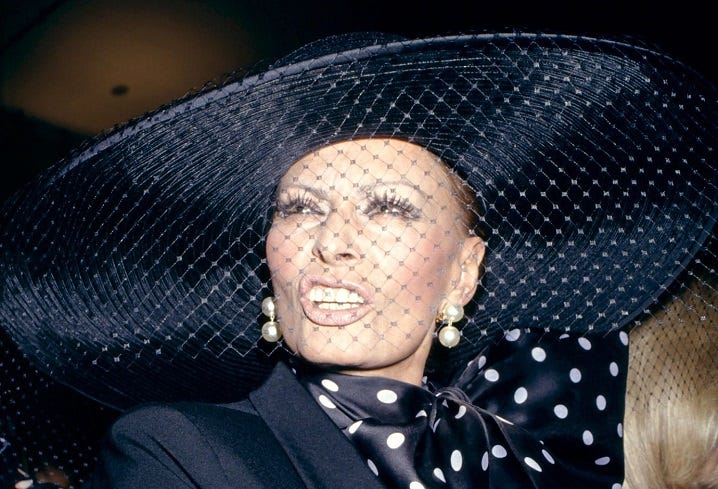
In November 2007, Harvey confirmed it on the Women’s Wear Daily site where he said: “I made the worst movie ever made about fashion. Casting Marcello Mastroianni in the lead role was love at first sight for me. I never went to work, I hung out with Marcello every day in his dressing room. I listened to a thousand stories about Fellini, and if that movie is bad it’s because the producer was absentee.”
That’s being genereous. In actuality, according to Harvey in the same article, Barbara Shulgasser wrote a brilliant script but Robert Altman was notorious for ad-libbing on the set. Barbara Shulgasser was a journalist, so she knew better on how to deal with Kim Basinger’s character. Unlike the cast of Pulp Fiction, Prêt-à-Porter was not a harmonious endeavour for those involved. Danny Aiello was at odds with Lauren Bacall and closeted gay actor Rupert Everett, who would end up working with Julia on My Best Friend’s Wedding (1997). Perhaps it’s not surprising that Danny Aiello got along well with the person who Harvey bonded with - Marcello Mastroianni. Surprisingly, one of the critics who hated Prêt-à-Porter was a fashion magazine editor-in-chief who became one of Harvey’s friends - Anna Wintour. She even allowed stars of his films to grace over a dozen of her Vogue covers.
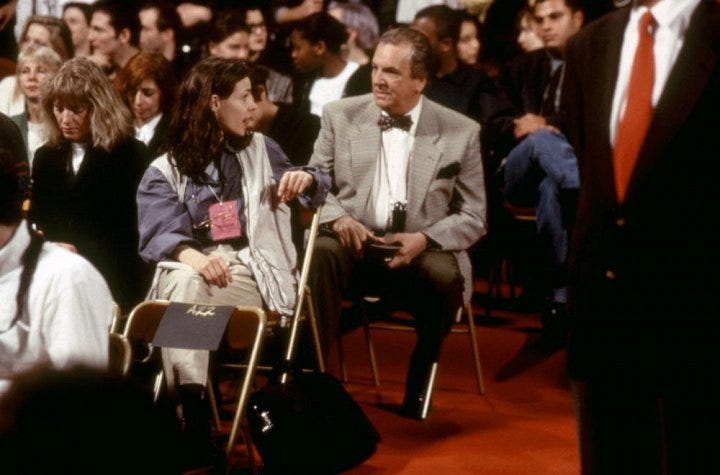
While it’s strange that Julia never gets to interact with Lyle Lovett and Rupert Everett, even stranger is that she never interacts with Lili Taylor - her castmate from Mystic Pizza (1988). This leads to another issue - the aforementioned Eric Stoltz. In the ‘80s, he was a room-mate of Rupert Everett at one point. Not only that but one of Julia’s closest friends is a gay actor named Scott Coffey, who acted in a 1987 Eric Stoltz film called Some Kind of Wonderful (written and produced by John Hughes). Back to Lili Taylor, herself and Eric had acted in a 1989 Cameron Crowe film called Say Anything where Eric had actually worked as a production assistant. His humorous role in this proved that he could do comedy way before Pulp Fiction. His role in the latter is funny because it concerns a life and death situation that he is responsible for. Prêt-à-Porter technically deals with death but in a less confrontational manner. Overall, it needed to be less goofy and more dry. On that note, it reminded me of another 1994 comedy by a man who directed Julia Roberts - Gerry Marshall’s Exit to Eden.